We often associate slavery with a bygone era, however, millions of people across the world are still trapped in various forms of exploitation and forced work. This has become to be known as Modern Slavery.
What is Modern Slavery?
Modern slavery refers to a range of exploitative practices that force individuals into work against their will and under brutal conditions. It takes on various forms such as human trafficking and unlawful recruitment. Unlike historical slavery, modern slavery may not always be bound by legal ownership, but the essence of exploitation remains unchanged.
While exact figures are difficult to know due to the secret nature of modern slavery, it is estimated that over 40 million people worldwide are affected by it. Every continent, including developed countries, faces this issue to varying degrees. The reach of modern slavery knows no bounds, affecting men, women, and children, transcending borders, cultures, and socio-economic backgrounds.
Causes of Modern Slavery
Several interconnected factors contribute to Modern Slavery:
- Poverty and Economic Inequality: Poverty often means vulnerability, forcing individuals to accept exploitative work opportunities in the hope of survival. Lack of access to education, basic resources and support from others traps people in a cycle of poverty, making them susceptible to traffickers and unethical employers.
- Globalisation and Supply Chains: The nature of global supply chains has led to an increased demand for cheap labour. This has fueled the exploitation of workers in developing countries where labour regulations are neglectful.
- Corruption and Weak Governance: Corruption within law enforcement, immigration authorities, and other government institutions enables human traffickers and unethical employers to operate with impunity.
- Armed Conflicts and Displacement: Conflicts and humanitarian crises displace vulnerable populations, rendering them susceptible to trafficking and exploitation as they seek refuge and safety.
- Discrimination and Social Marginalisation: Marginalised groups, such as migrants, ethnic minorities, and women, are disproportionately affected by modern slavery due to discrimination and limited access to legal protections.
The impact of modern slavery is profound, affecting not only the victims but also society as a whole. Victims endure physical and psychological trauma, their dignity shattered, and their lives forever scarred. Families and communities also suffer as the loss of income and productivity continues the cycle of poverty.
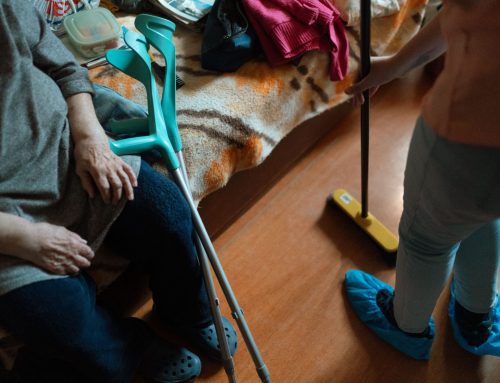
The number of people trapped in slavery in the UK is estimated to be more than 130,000 people and as said by the BBC, the number of Modern Slavery cases reported within the UK care industry has more than doubled in the past year. One interview done by the BBC on Modern Slavery within care revealed an individual who travelled with her mum and children to the UK, where she was working up to 20 hours a day, often 7 days a week and only receiving £2 an hour. When she complained the care company she was with threatened to stop her work and cancel her visa. This is just one case of Modern Slavery within the care industry,
So, what can we do?
Addressing modern slavery requires a multifaceted approach involving governments, civil society, businesses, and individuals all around the world:
- Legal Frameworks and Enforcement: Strengthening laws against human trafficking and forced labour, while ensuring their effective enforcement, is crucial to holding perpetrators accountable.
- Supply Chain Transparency: Businesses must actively monitor and audit their supply chains to identify and eradicate instances of forced labour and exploitation.
- Empowerment and Education: Investing in education and skills training can empower vulnerable communities, reducing their susceptibility to exploitation.
- Support for Victims: Adequate support services, including counseling, healthcare, and legal aid, are essential for rehabilitating and reintegrating survivors into society.
- Raising Awareness: Creating awareness about modern slavery and its various forms is vital to mobilise public opinion and advocate for change.