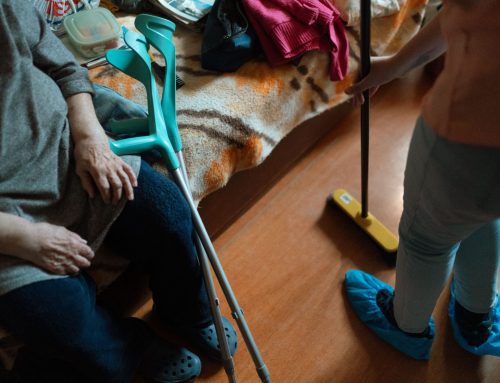
Loneliness and social isolation among the eldery have become increasingly prevalent issues in modern society. The detrimental effects of these conditions on physical and mental health are well-documented, highlighting the urgent need for effective strategies to combat them.
As a society, we must recognise the value and contributions of older adults and work towards creating inclusive communities that prioritise their well-being.
Understanding the impact
Loneliness and social isolation can significantly impact the physical and mental health of older adults. Research has shown that chronic loneliness can lead to increased risks of developing cardiovascular disease, cognitive decline, depression, and even increases the risk of death. The emotional toll of isolation can cause existing health conditions to progress at a much faster rate and obstruct overall quality of life. Therefore, it is crucial to recognise the nature of this issue and proactively seek solutions.
Strengthening Social Connections
Creating and nurturing social connections is vital to combatting loneliness and isolation. Here are some approaches that can be effective:
Community Engagement: Encouraging older adults to participate in community activities and organisations can foster a sense of belonging. These activities provide opportunities for social interaction and meaningful engagement.
Technology and Digital Literacy: Embracing technology can help bridge the gap between older adults and the digital world. Training programs on using smartphones, social media platforms, and video chat applications can empower older adults to connect with loved ones, join online communities, and access virtual resources and support.
Supportive Services
To address loneliness and isolation effectively, we must ensure that older adults have access to comprehensive support services:
Transportation: Lack of transportation can restrict older adults' ability to engage in social activities. Establishing transportation services, volunteer driver programs, or partnerships with ride-sharing companies can enhance mobility and enable older adults to participate in community events.
Mental Health Services: Integrating mental health support into senior care is essential. Providing counseling, therapy, and support groups tailored to older adults can help address underlying emotional issues and promote overall well-being.
Building Age-Friendly Communities
Creating age-friendly communities is crucial to combatting loneliness and isolation in older adults:
Safe and Accessible Spaces: Designing public spaces that are safe and accessible is vital. All spaces should be designed to accommodate the needs of older adults, promoting physical activity and social engagement.
Age-Inclusive Policies: Governments, organisations, and businesses must develop age-inclusive policies and practices. This includes addressing ageism, promoting employment opportunities for older adults, and ensuring accessible healthcare services.
By taking the steps above and holding others accountable for their lack of understanding can help towards creating a better and more accepting world for older adults.
Make sure you're up to date with the relevant training to ensure the individual(s) you support are getting the best care possible. We have both individual and group training options available. Find out more HERE