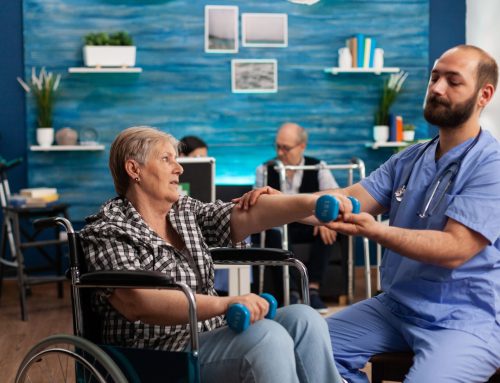
As well as the physical symptoms that come with getting COVID-19, mental health was impacted just as much. Mental health is one of the most important parts of who we are that needs a lot of kindness and time. While all age groups experienced the impact that COVID-19 and the pandemic has had on us and the world, it varied from person to person depending on own health, family, and communities that we belong to.
The younger generation took the biggest hit to their well-being. However, this could be because they are more comfortable speaking about mental health.
Here is a breakdown of how the age groups were affected.
The Younger Generations:
The annual report done by The Children’s Society shows that ¼ million children did not cope well with the changes that took place during the pandemic. Which also had a significant impact on the younger generations in poorer areas. The people in these areas suffered more deaths and cases of COVID-19, all impacting their mental health, leaving permanent marks into the future.
See more on the impacts of COVID-19 has left of poorer countries here:
It’s Time For Vaccination Equality
COVID-19 Vaccines are a Privilege
People from the ages of 16- to 29-year-olds, who were part of a report done in 2020 by the Office for National Statistics (when emotions were at a high) said that they were worried about COVID-19 and how it was impacting their lives, including education, work and employment, finances, and well-being.
People in this age bracket were much more likely than those aged over thirty to report about their well-being and much more likely to express the impact the lockdowns and the pandemic has had on their lives. Even though considering that people from 30 to 59 were the age group to report being worried about the pandemic and the impacts it had on plans.
Whereas the younger generations were worried about friends and family, which made them the age group that were more likely to report that health was a main concern for all those they know. They even scored higher than those sixty and over, who as we know are in the most vulnerable category.
Another aspect that impacted not only the younger generations mental health, but all ages was the constant news coming through about the unexplained mysterious virus that began to rapidly spread across the world.
Fear mongering was at an all-time high, and no one knew what to do. Luckily, as time went on, we are now (November 2021) at a better understanding of this virus and the ones that are likely to follow, including variants. Still, we have all been hit by the aftermath in diverse ways, many saying that their mental health issues, such as anxiety have been at their peak.
Those in the 30 to 40 Bracket:
People in this age group were more likely to be worried about present and future plans that COVID-19 stopped. Plans such as going on holiday, weddings, birthdays etc. Both people in this age group and the one below were positive that their financial position would change and not get better in over a year.
40 – 50s:
This was the age bracket that was worried about the impacts COVID-19 was having on places of work. Making it the centre point for discussion in a high percentage of households.
People in their fifties spent more time worrying about potential financial loss and lack of work more than their own mental health needs or the pandemic itself.
The Older Generations:
This group were the ones that socialised the most within the areas they are living, regularly checking up on neighbours. They were also more likely to have the most access to private spaces, such as a garden. Compared to the younger generation who had limited amounts on where they could go.
During the pandemic, the older generation had an increase in the amount of exercise that they participated in, the most common form of exercising throughout the age groups was walking.
Key Facts:
During the pandemic and present day, older people are less likely to follow the rules to staying safe against the virus, particularly men.
Out of all the age groups young people have been the most optimistic that life will return to normal, throughout both the pandemic and the continued affects from COVID-19.