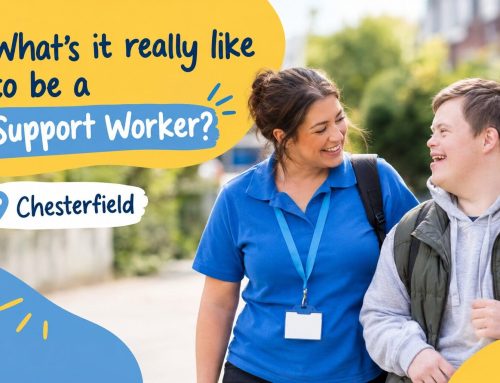
From 14 November to 20 December, Disability History Month is back! This year the focus is on “Disability, Livelihood, and Employment.” With the employment rate for disabled people still trailing at around 53.5% compared to 81% for non-disabled individuals, it’s a reality check that many organisations can do more to support equality at work.
Why This Matters
The gap in employment isn’t just numbers. It’s about real people facing day-to-day barriers. In a recent survey, 40% of disabled individuals reported experiencing discrimination, and many highlighted that lack of access and flexibility are still major obstacles. Disability History Month this year is a reminder for leaders in health and social care to take practical steps, making sure their organisations are truly inclusive and supportive.
Practical Ways to Take Action
- Get the Basics Right
Accessible workplaces are a must. Look around your organisation: are there barriers that could be addressed with simple changes? Adaptive technology, ramps, accessible bathrooms, or even allowing for flexible work options can be transformative.
- Regular Training and Awareness
Inclusivity doesn’t happen by itself. Offering workshops on mental health, hidden disabilities, and adaptive technology can make all the difference, creating a team that’s informed and genuinely supportive.
- Celebrate Successes
Highlighting and recognising the achievements of disabled staff not only builds morale but also show the value of an inclusive workplace. Sharing these success stories can inspire others to push for accessibility improvements.
This year’s Disability History Month isn’t just about reflection; it’s a much-needed call to action. As a leader, it’s an opportunity to create a real change in and out of your organisation.