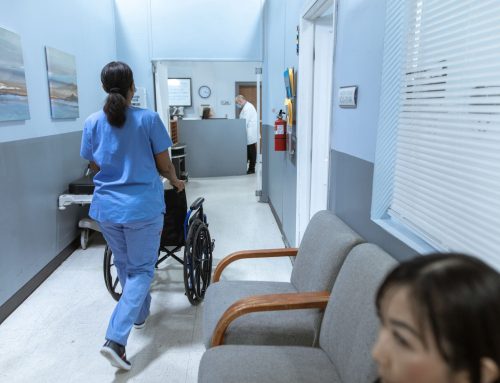
In busy care environments, routines are what keep everything running.
However, over time, there is a risk that care becomes more about completing tasks than how those tasks are delivered.
This shift is often gradual and can show up in small ways:
- Conversations becoming shorter or more functional
- Less focus on individual needs or preferences
- Staff moving quickly from task to task without pause
- A stronger focus on “what’s next” rather than “how was that done”
This does not mean staff don’t care.
In most cases, it reflects a team working under pressure and trying to keep everything on track.
The aim is not to remove structure, but to bring balance back into how care is delivered.
This can be supported by:
- Reinforcing that quality of care matters as much as task completion
- Encouraging staff to take brief moments to engage with individuals properly
- Reviewing whether expectations allow time for person-centred care
- Identifying where pressure is limiting how care is delivered
Even small changes in approach can improve how care feels for both staff and service users.
Reducing pressure also plays a key role. Support from Halo Staffing can help create more capacity within the team, allowing staff to focus on delivering care properly, not just completing tasks. Learn more by clicking the button below.
Efficiency is important but care should always remain person-centred, not task-driven.