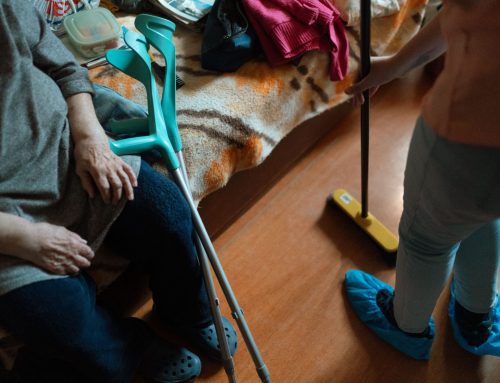
Depression isn’t just sadness and in older adults, it can sometimes look very different from what you might expect. In care settings, recognising the signs early and knowing how to respond can make a real difference to someone’s quality of life.
Common signs to look out for
Depression in older adults can be subtle, and it often overlaps with other health issue. Key signs include:
- Persistent low mood or frequent tearfulness
- Loss of interest in activities they previously enjoyed
- Changes in sleep patterns (sleeping too much or struggling to sleep)
- Appetite changes and unexplained weight loss
- Fatigue or lack of energy
- Withdrawal from social interaction
- Expressions of hopelessness or excessive guilt
- Physical complaints like pain or digestive issues with no clear medical cause
What you can do as a care worker
- Observe and document: Keep notes on changes in mood, behaviour, and daily activities. This information is crucial for healthcare professionals
- Encourage communication: Ask gentle, open-ended questions. For example, “How have you been feeling lately?” or “Is there anything on your mind today?”
- Support social connection: Encourage participation in group activities, mealtimes, or simple social interactions
- Promote routine and activity: Gentle exercise, hobbies, and structured routines can help improve mood
- Signpost professional help: Always involve nurses, GPs, or mental health professionals if depression is suspected. Never try to diagnose or treat alone
Why it matters
Untreated depression can affect physical health, cognition, and overall wellbeing. Older adults who receive timely support are more likely to enjoy better daily functioning, improved engagement, and a higher quality of life.
As a care worker, your observations and interactions are invaluable. By recognising changes, offering support, and referring appropriately, you can help older adults manage depression effectively and live more fulfilling lives.