Supporting someone’s mental health isn’t always about having the right answers.
Sometimes it’s about having the confidence to start a conversation.
That is the thinking behind the Orange Button scheme, an initiative that trains people to feel more confident talking about suicide, listening without judgement and signposting someone towards appropriate support.
The people wearing an Orange Button are not counsellors or mental health clinicians. They have completed recognised suicide awareness or mental health training and understand how to respond if someone tells them they are struggling.
For organisations working across health and social care, the scheme raises an important question.
Would your team feel confident if someone said they were having thoughts of suicide?
Confidence Can Make a Difference
Many people worry about saying the wrong thing.
Some are concerned that asking someone directly about suicide could make the situation worse or put the idea into their head.
Research has consistently shown that this isn’t the case. Creating an opportunity for someone to talk openly can reduce feelings of isolation and encourage them to access further support.
The biggest barrier is often confidence rather than compassion.
Most people want to help. They just don’t always know how.
Conversations Don’t Only Happen in Clinical Settings
People don’t choose when or where they will ask for help.
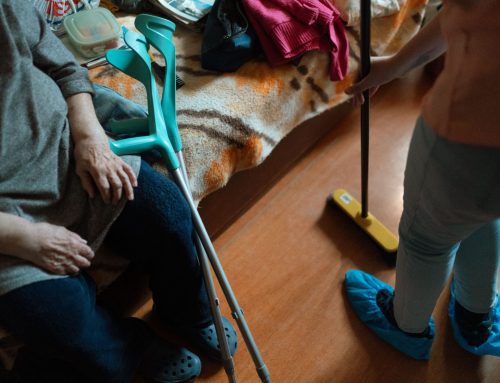
For someone working in health and social care, that conversation could happen during a home visit, while supporting someone with personal care, during an activity, or even at the end of a routine appointment.
It could also happen between colleagues.
A member of staff who seems withdrawn, overwhelmed or noticeably different may be looking for someone they trust to notice that something isn’t right.
Being prepared for those conversations is becoming increasingly important across the sector.
Training Builds Confidence
The Orange Button scheme demonstrates that people don’t need to become mental health specialists to make a difference.
Training focuses on recognising signs that someone may need support, listening without judgement, asking appropriate questions and understanding where to signpost people next.
These are practical skills that can help staff feel more prepared when difficult conversations arise.
Creating a Supportive Culture
Training is only one part of the picture.
Leaders also have an important role in creating workplaces where conversations about mental health are treated with openness and respect.
That might include making staff aware of available support, encouraging wellbeing conversations during supervision, or ensuring managers know how to respond when concerns are raised.
When people feel able to speak openly, concerns are more likely to be identified before they reach crisis point.
A Conversation Could Happen at Any Time
Suicide prevention isn’t only relevant to specialist mental health services.
Across health and social care, staff regularly build trusted relationships with the people they support. Those relationships can create opportunities for conversations that may not happen anywhere else.
No one is expected to solve every problem or provide counselling.
But knowing how to respond, remaining calm and understanding where someone can access further support can make a significant difference.
The Orange Button scheme is a reminder that confidence, training and compassionate conversations all have an important place in suicide prevention.