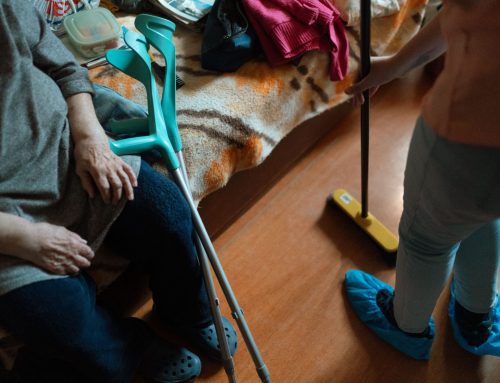
Dementia is a multifaceted cognitive disorder, a complex challenge that affects more than 50 million people around the world. As the population ages, the prevalence of dementia is on the rise and as said by the World Health Organisation (WHO) over 60% of people with Dementia live in low and middle-income countries, making effective and compassionate dementia care more crucial than ever before.
Dementia is an umbrella term for a wide range of medical conditions caused by abnormal brain changes. These conditions affect cognitive abilities severe enough to interfere with daily life. The most common and known form of Dementia is Alzheimer’s which accounts for 60-80% of cases.
How Can You Ensure Your Staff Team Are Offering the Best Care for Individuals with Dementia?
Person-Centered Care:
At the heart of effective Dementia care lies the principle of person-centeredness. Each individual living with Dementia has a unique life story, personality, and set of preferences. Tailoring care to their specific needs and desires not only preserves their dignity but also empowers them to make choices that promote a sense of autonomy. Engaging individuals in decisions about their daily routines, activities, and even meal choices can contribute to a greater sense of well-being.
Cognitive Stimulation:
Just as physical exercise is essential for maintaining physical health, cognitive stimulation is vital for preserving mental sharpness. Engaging individuals in brain-boosting activities such as puzzles, memory games, music therapy, and storytelling can slow cognitive decline and enhance overall quality of life. Group activities also help towards social interaction, reducing feelings of isolation and loneliness commonly experienced by those with Dementia.
Therapeutic Environments:
Innovative design principles are transforming Dementia care facilities into therapeutic environments. Natural lighting, soothing colours, and carefully designed sensory elements can create a calming atmosphere, reducing agitation and anxiety. Outdoor spaces designed with safety in mind provide opportunities for individuals to connect with nature, promoting emotional well-being.
Technology:
Modern technology has emerged as a powerful tool in Dementia care. Wearable devices with GPS tracking can enhance safety by preventing wandering, while smart home systems offer reminders for medication, appointments, and daily tasks. Video calls and social media platforms enable individuals to stay connected with loved ones, bridging geographical distances and combating social isolation.
Arts and Music:
Art and music have a remarkable ability to reach individuals living with Dementia on a profound level. Creative expression through painting, drawing, or playing musical instruments can serve as an outlet for emotions when words fail. Music therapy, in particular, has been shown to spark memories and emotions, forming connections even in the advanced stages of the disease. Find out more on Dementia and Music HERE
So, after your staff team learns the above, how can you be sure that they are staying on track and possess the appropriate skills and knowledge needed?
Empowering Your Care Team:
Effective Dementia care hinges on a knowledgeable and compassionate staff team. Providing proper training, ongoing education, and creating a culture of empathy are the keys to ensuring that your staff team is well-equipped to navigate the challenges of Dementia care.
Training and Education
- Comprehensive recruitment: Begin with a thorough recruitment program for new staff members. This should cover the basics of Dementia, communication techniques, safety protocols, and person-centred care principles.
- Ongoing Training: Dementia care is a constantly evolving field. Regular training sessions and workshops should be carried out to keep your staff team up-to-date with the latest research, techniques, and best practices in dementia care. Make sure your staff team are staying up to date HERE
Promoting Empathy and Person-Centered Care:
- Story Sharing: Start staff team meetings with personal stories or experiences related to Dementia care. This encourages staff to empathise with the challenges individuals with Dementia face and reinforces the importance of their role.
- Role-Playing Exercises: Organise role-playing sessions that simulate real-life situations encountered in Dementia care. This helps staff practice effective communication and problem-solving in a supportive environment.
- Shadowing and Mentoring: Pair experienced caregivers with new staff members for mentorship and on-the-job training. This provides a hands-on opportunity to observe and learn from those who have a deep understanding of Dementia care.
Communication and Feedback
- Regular Check-Ins: Conduct regular one-on-one check-ins with staff members to discuss their experiences, challenges, and successes. This creates an open channel for feedback and ensures that their concerns are heard.
- Anonymous Feedback Mechanisms: Implement anonymous suggestion boxes or digital platforms where staff can share their thoughts and suggestions without fear of retribution.
- Team Brainstorming Sessions: Organise brainstorming sessions where your staff team can collectively address specific challenges they face in Dementia care. Encourage them to propose solutions and strategies.
Recognition and Support
- Celebrate Achievements: Recognise and celebrate milestones and accomplishments of individual staff members and the team as a whole. This boosts morale and reinforces a sense of purpose.
- Provide Resources: Ensure that staff have access to a library of resources, including articles, books, and videos related to dementia care. This creates a culture of continuous learning.
- Employee Assistance Programs: Offer employee assistance programs that provide access to counselling and support services for staff members who may be experiencing emotional stress or burnout.