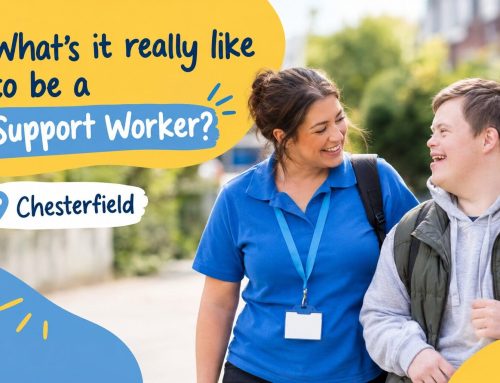
A diverse staff team brings varied perspectives, enhances decision-making, and better reflects the communities served. According to a McKinsey report, companies in the top quartile for racial and ethnic diversity are 36% more likely to outperform their peers financially. But beyond the numbers, inclusive recruitment improves staff team retention, and ultimately leads to better care outcomes.
So, how can leaders in health and social care ensure they’re embracing inclusive recruitment practices?
Understanding the Importance of Inclusive Recruitment
Reflecting Your Service Users: The health and social care sectors serve people from all walks of life. Your staff team should reflect the diversity to form better communication and understanding with service users. A workforce that mirrors the population’s diversity can lead to more personalised and culturally competent care. In fact, research shows that patients have better outcomes when cared for by professionals they can relate to culturally and linguistically.
Tackling Workforce Shortages: In a sector that faces ongoing workforce shortages, the talent pool cannot afford to be limited. A study by Skills for Care revealed that the vacancy rate in adult social care was 10.7% in 2023. Inclusive recruitment ensures that organisations are accessing a wider, more diverse range of candidates, making it easier to fill these gaps with skilled professionals.
Improving Team Performance and Creativity: Diverse staff teams bring a wealth of perspectives that drive innovation. A 2020 study from Harvard Business Review found that companies with inclusive cultures are 1.7 times more likely to be innovation leaders in their industries. In a health and social care setting, this diversity of thought can lead to creative solutions to complex care challenges, improving outcomes for both service users and staff.
Steps to Create an Inclusive Recruitment Strategy
- Revise Job Descriptions: The language used in job descriptions can unintentionally deter diverse candidates. Focus on the essential skills and qualifications, while ensuring that descriptions are inclusive and open to broader audience.
- Broaden Your Recruitment Channels: Traditionally, many organisations rely on the same recruitment platforms, which often cater to a limited demographic. To attract a more diverse pool of candidates, consider advertising roles on platforms that cater to underrepresented groups, such as Halo Staffing.
- Ensure Bias-Free Interviewing: Unconscious bias can creep into the interview process, leading to the exclusion of talented candidates based on factors unrelated to their ability to do the job. To combat this, train all hiring managers in recognising and overcoming bias. Using standardised interview questions and involving diverse interview panels can help ensure a fair and equitable process for all candidates.
- Invest in Diverse Leadership: Representation matters at every level of an organisation, but especially in leadership roles. In 2023, only 9.6% of leadership positions in health and social care were held by people from ethnic minority backgrounds. Having a more diverse leadership team not only sets a positive example for the rest of the workforce but also attracts diverse talent by signalling an inclusive workplace culture.
Real-World Impact of Inclusive Recruitment
The NHS, for example, has committed to increasing the diversity of its workforce through initiatives like the NHS Workforce Race Equality Standard. Since its introduction, there has been a 10% rise in ethnic minority staff holding senior leadership roles across the NHS.
Inclusive recruitment isn’t just about meeting quotas or ticking boxes. It’s about creating a culture where everyone feels valued, where diverse experiences and perspectives can flourish, and where your staff team can perform to the best of their abilities.
Inclusive Recruitment as a Driver for Retention
Diversity doesn’t end at hiring. Organisations with inclusive practices are more likely to retain talent. A 2022 CIPD report found that 75% of employees said they would be more likely to stay with a company that has a diverse workforce. For health and social care sectors, where staff retention is often a challenge, fostering an inclusive environment can significantly reduce turnover.
Moving Forward
Inclusive recruitment is not a one-off process, it requires ongoing commitment and reflection. Leaders must continuously review their hiring practices, ensuring that they are removing barriers and creating opportunities for everyone, regardless of background.