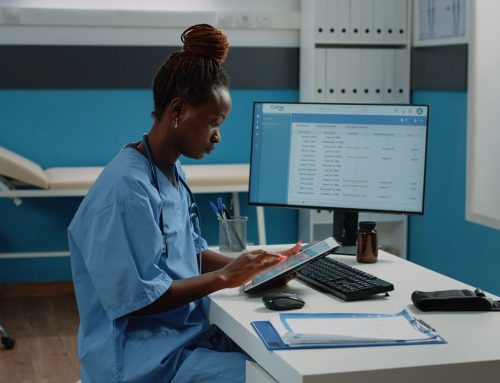
One of the most immediate and tangible benefits of migration is the alleviation of workforce shortages in Health and Social Care sectors. The NHS, for instance, has long relied on Interational professionals to fill gaps in staffing. According to various reports, over 19% of NHS staff members are non-British nationals. Showcasing the crucial role migrants play in maintaining the functionality of healthcare services. This reliance is even more pronounced in certain specialties and regions, where the availability of domestic professionals is insufficient to meet demand.
Diverse Skills Sets and Perspectives
Migrants bring diverse skill sets and perspectives to the Health and Social Care industry, which can enhance the quality of care. International professionals often come with experience from different healthcare systems and new perspectives, contributing various approaches and improving patient outcomes. This diversity also creates a more inclusive environment. Here are some of the key ways in which these skills and perspectives benefit healthcare:
- Specialised Knowledge and Training: Many international healthcare professionals have undergone rigorous training in their home countries, often bringing unique expertise and specialised knowledge that can address gaps in the domestic workforce. For instance, the UK has seen a significant influx of nurses from the Philippines, known for their high standards of nursing education and practice.
- Language and Cultural Competence: Healthcare workers from other countries often possess multilingual skills and a deep understanding of cultural backgrounds. This competence is invaluable in a multicultural society, allowing for better communication with patients from diverse backgrounds and improving the overall patient experience. For example, the ability to speak multiple languages can provide a more accurate diagnosis, offer a better quality of care and achieve patient compliance with care/treatment plans.
- Innovative Practices: Exposure to different healthcare systems and practices enables non-UK professionals to introduce fresh ideas, approaches and techniques. This can lead to improvements in patient care, efficiency, and the adoption of best practices from around the world. For example, the integration of advanced care models from countries like the Netherlands and Germany has been instrumental in improving elderly care in the UK.
- Research and Development Contributions: Care professionals from outside the UK play crucial roles in medical research and development. Their diverse educational backgrounds and international collaborations contribute to scientific advancements and innovations in medical treatments and technologies. The contributions of international researchers have been crucial in areas such as oncology, cardiology, and infectious diseases.
- Adaptability and Resilience: Individuals from abroad often exhibit high levels of adaptability and resilience, qualities that are essential in the fast-paced and ever-changing healthcare environment. Their ability to quickly adapt to new systems and practices ensures continuity and quality of care even in challenging circumstances.
Economic Contributions
Professionals from outside of the UK also contribute economically to healthcare system. Through their taxes and spending, they help fund public services, including healthcare. This financial input is critical, especially in times where economic uncertainty and increasing demands on the healthcare system. The economic contribution of migrants extends beyond their direct employment in healthcare, as they also support local economics through their spending on goods and services.
Public Health Implications
Addressing Health Inequalities
Migration can positively impact public health by helping to address health inequalities. Some migrants settle in areas with underserved communities, bringing essential healthcare services to these regions. This can lead to improved health outcomes and reduced disparities in health access and quality. For example, migrant healthcare workers in rural areas provide critical services that might otherwise be unavailable, ensuring that vulnerable populations receive necessary care.
Innovations in Public Health Practices
The influx of migrants can lead to the introduction of new public health strategies, prompting advancements in health education, disease prevention, and management practices that benefit the entire population. Migrant health professionals contribute to public health campaigns, such as vaccination drives and health awareness programs, which are essential in promoting community health.
Migrants are indispensable to the healthcare sector, providing essential skills, diverse perspectives, and economic contributions.