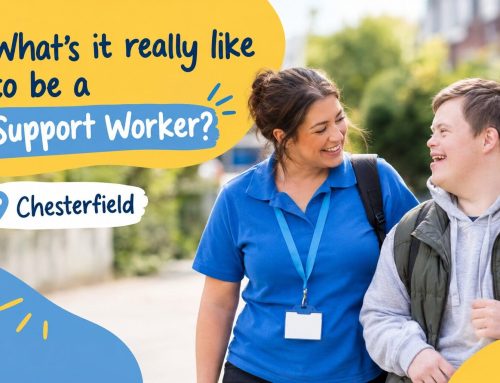
What does a support worker really do? Support workers are compassionate, patient and willing to support individuals with different needs.
What does my role involve and what areas can I specialise in?
As a support worker you will be helping individuals live as independently as possible. This may be in their own homes, supported housing, care homes or the community.
You might support:
- Older people
- People with learning disabilities or autistic people
- People with physical disabilities
- People with mental health conditions
- People receiving palliative or end of life care
What are my main responsibilities?
Every day can look different, but tasks often include:
- Personal care (washing, dressing, helping someone use the toilet)
- Preparing meals and helping with eating or drinking
- Supporting with medication
- Helping with shopping, appointments or activities
- Providing emotional support and companionship
- Keeping accurate care records
- Working as part of a team to follow care plans
Support work is not just about doing things for others, it’s about supporting an individuals choices, listening to what matters to them, and making sure they feel respected and safe.
Working in Palliative or end of life care?
Some support workers choose to work with people at the end of their lives. This is a very meaningful area of care that focuses on:
- Comfort
- Dignity
- Emotional support for the individual and their loved ones
- Clear, calm communication
Want to grow your skills? Build your knowledge on Palliative and end of life skills HERE