- Understand what is meant by risk, hazards and identify who/what could be harmed
- Describe what is risk assessment
- List the relevant legislations in the UK
- Understand the aspect of liability in this context
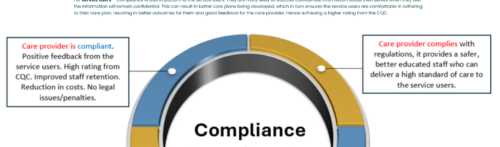
- Compliance with regulation and standards
- Understand how to conduct a formal risk assessment in relation to individuals, activities and environments
- Know the CQC inspection process and their criteria with regards to risk assessment
- Understand how to review and update a risk assessment
- Understand the importance of reviewing accidents and incidents and learning from them
- Identify who has the responsibility of managing the risk assessments within the workplace
- Recognise the importance of working with other agencies to manage risks
- Identify risks in the life-context of the individual and their circumstances (and therefore impact on quality of life and individual wellbeing)
- Identify risk perspectives from all the people involved
- Identify weighting of risks (to establish high and low risk concerns, impact on emotional, social and psychological wellbeing)
- Identify current and past strategies for managing risks
- Ethical considerations or dilemmas related to risk assessment decisions (patient’s consent and dignity/religion)
- Understand the key tasks relating to robust risk management.
- Documentation of a risk assessment and where these should be stored
-
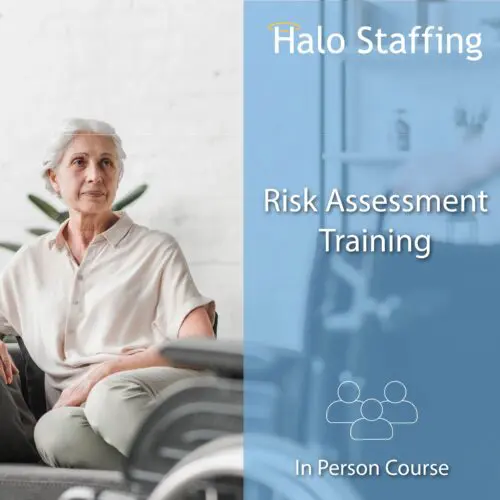 ⭐ TOP SELLER Aim: To develop a clear understanding of robust risk assessment. Objectives: By successfully completing this course you will be able to:
 -
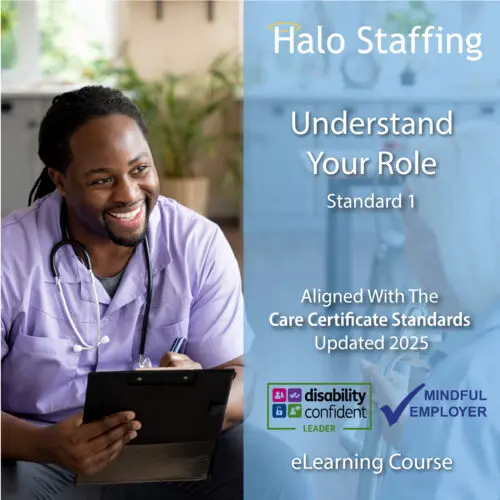 Aim: To enable you to understand your role, responsibilities, agreed ways of working, and opportunities for professional development in this sector Objectives: By successfully completing this course you will be able to:
- Describe the main duties and responsibilities within your role
- Identify the standards, codes of conduct and ways of working that apply to your role
- Explain how personal values, attitudes, beliefs and experiences can influence practice
- Recognise opportunities for professional and career development within the health and social care sector
- Describe your employment rights and responsibilities
- Explain the aims, objectives and values of your organisation
- Explain the importance of working in accordance with agreed ways of working
- Demonstrate how to access relevant workplace policies, procedures and guidance
- Understand your responsibilities to the individuals you support, and others involved in their care and support
-
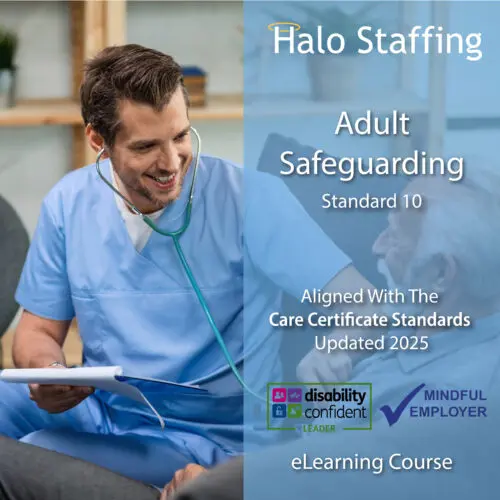 Aim: To develop the knowledge and skills required to safeguard adults from abuse, neglect and harm, while promoting dignity, rights, wellbeing and person-centred care Objectives: By successfully completing this course you will be able to:
- Explain the principles and purpose of adult safeguarding in health and social care settings
- Define an adult at risk and describe their own safeguarding roles and responsibilities
- Recognise the main types, indicators and causes of abuse, neglect and harm
- Explain restrictive practices and apply organisational policies and procedures appropriately
- Identify technology-related safeguarding risks and support individuals to use technology safely
- Promote dignity, respect, rights and wellbeing when providing care and support
- Explain why some individuals may be more vulnerable to abuse, neglect and exploitation
- Describe how person-centred approaches, active participation and partnership working reduce the risk of abuse
- Support individuals to make informed choices and take reasonable steps to keep themselves safe
- Explain local safeguarding arrangements and the importance of multi-agency working
- Respond appropriately to suspected or disclosed abuse by following reporting and safeguarding procedures
- Describe relevant safeguarding legislation, information-sharing requirements and actions to take when barriers to reporting concerns arise