Description
Welcome to the Halo Staffing Face-to-Face course about risk assessment.
We will begin this course by establishing the basics. What is a risk ?, what are hazards ?, who or what could be harmed ?.
We will then introduce the concept of risk assessment.
The next topic will talk about all the relevant legislations in the UK.
We will then inform you about the legal liability related to risk assessments.
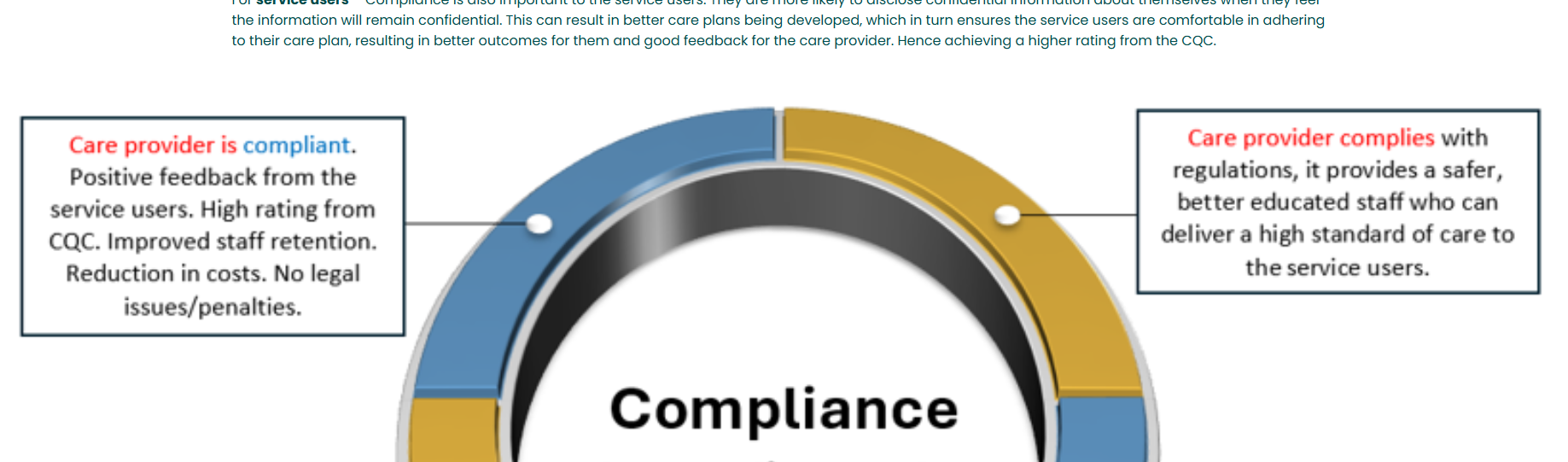
Compliance with regulation and standards will be discussed next.
We will then explain to you how to conduct a formal risk assessment in relation to individuals, activities and environments.
Care Quality Commission (CQC) inspections specifically focussing on risk assessments will be our next topic.
We will then explain to you how to review and update a risk assessment.
This will be followed by an understanding of the importance of reviewing accidents and incidents and learning from them.
We will then inform you about identifying who has the responsibility for managing the risk assessments within their workplace.
We will also explore the importance of working with other agencies to manage risks.
The next topic will explore how to identify risks in the life-context of the individual and their circumstances (and therefore impact on quality of life and individual wellbeing).
This will be promptly followed by a discussion about identifying risk perspectives from all the people involved.
We will then inform you about weighting of risks to establish high and low risk concerns, impact on emotional, social and psychological wellbeing.
Current and past strategies for managing risks will be the next topic of discussion.
This will be followed by ethical considerations or dilemmas related to risk assessment decisions (patient’s consent and dignity/religion).
We will then inform you about robust risk management.
Finally, we will conclude with a discussion about documentation of a risk assessment.
You can view the introduction video of this course below.
Is this for me?
This course has been carefully designed for carers, support workers, nurses and managers who want to learn more about the risk assessment. As specialists in providing staffing solutions Halo Staffing’s courses are relevant for many industries including health and social care for carers, support workers, nurses and managers. Completing this course will ensure that you are fully up to date with relevant content to provide you with the skills and knowledge necessary to excel in your field. On successful completion of this course, you will be issued with a certificate and digital badge valid for 1 year.
Why should I take this course?
You should take this course if it’s necessary for you or your team to learn more about risk assessments, protect people and keep them safe from harm and abuse in a health care setting. Keeping in line with The Health and Safety at Work Act 1974, The Electricity at Work Regulations 1989, Food Safety Act 1990, The Manual Handling Operations Regulations 1992 (amended in 2002), The Lifting Operations and Lifting Equipment Regulations (LOLER) 1998, The Management of Health and Safety at Work Regulations 1999, Control of Substance Hazardous to Health (COSHH) Regulations 2002, The Provision and Use of Work Equipment Regulations (PUWER) 2002, The Regulatory Reform (Fire Safety) Order 2005, The Health and Social Care Act 2008, The Health and Social Care Act 2012, The Reporting of Injuries, Diseases and Dangerous Occurrences Regulations 2013 (RIDDOR), The Care Act 2014 and The Data Protection Act 2018.
What are the benefits of taking this course?
This course helps staff develop practical skills in carrying out effective risk assessments. By learning how to evaluate, record and review risks, staff can reduce harm and improve decision making. It also supports compliance with legal and organisational requirements. Overall, the course strengthens confidence and consistency in managing risk.
What will I learn?
This course will provide you and/or your team with a clear understanding of risks, hazards and identify who/what could be harmed, risk assessment, list of relevant legislations in the UK, legal liability related to risk assessments, compliance with regulation and standards, how to conduct a formal risk assessment in relation to individuals, activities and environments, the role of Care Quality Commission (CQC), review and update process of a risk assessment, importance of reviewing accidents and incidents and learning from them, who has the responsibility for managing the risk assessments, recognise the importance of working with other agencies to manage risks, identify risks in the life-context of the individual and their circumstances (and therefore impact on quality of life and individual wellbeing), identify risk perspectives from all the people involved, identify weighting of risks (to establish high and low risk concerns, impact on emotional, social and psychological wellbeing), identify current and past strategies for managing risks, ethical considerations or dilemmas related to risk assessment, robust risk management and documentation.
Course Duration:
Face-2-Face session will be delivered at your location for up to 16 attendees. Cost of this course is for all 16 attendees.
eLearning: 3 hours.
Face to Face session: Equivalent to a one day course.