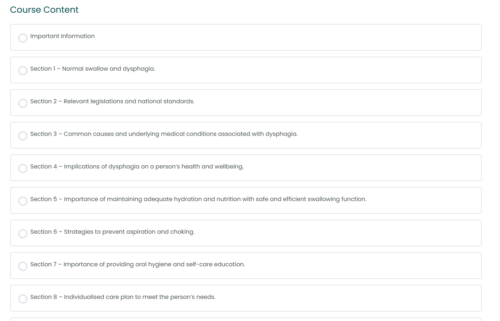
- Demonstrate a complete understanding of swallowing process and dysphagia including its signs and symptoms
- Describe the legislations relevant to dysphagia in the UK
- Identify common causes and underlying medical conditions associated with dysphagia
- Understand the implications of dysphagia on a person’s health and wellbeing
- Describe the importance of maintaining adequate hydration and nutrition with safe and efficient swallowing function
- Describe how to reduce the signs and symptoms of swallowing difficulty including the utilisation of various strategies to prevent aspiration and choking
- Understand the importance of providing oral hygiene and self-care education
- Understand how to create an individualised care plan to meet each person's needs
- Identify your role in supporting individuals with dysphagia
- Understand how to develop practical skills to support people with dysphagia in eating and drinking safely.
- Identify when and how to make a referral, understand the process of assessment, and describe the various clinical assessment techniques used in evaluating the swallowing function
- Describe the importance of a thorough patient history in dysphagia assessment process
- Recognise when you need to collaborate with other healthcare professionals
- Describe how to communicate effectively with the individual and their family members about the implications of dysphagia
- Understand the ethical considerations related to dysphagia assessment and treatment
- Describe the cultural factors that may impact a patient's experience and adherence to treatment.
-
 ⭐ TOP SELLER Aim: To gain a complete understanding of and be able to support individuals with dysphagia (swallowing problems). Objectives: By successfully completing this course you will be able to:
 -
 Aim: To gain a complete understanding of dysphagia management using IDDSI standards Objectives: By successfully completing this course you will be able to:
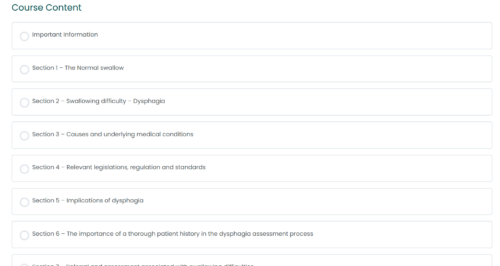
- Understand the difference between a normal swallow and an abnormal swallow
- Understand what is dysphagia, the signs and symptoms associated with this condition
- Identify common causes and underlying medical conditions associated with dysphagia
- Understand the implications of dysphagia on a person’s health and wellbeing
- Explain the risk factors of aspiration and choking and list some strategies to prevent them
- Describe the importance of maintaining adequate hydration and nutrition with safe and efficient swallowing function
- Explain why is early detection of dysphagia is important
- Understand the importance of the individual’s diet history in the dysphagia assessment process
- Explain about the process of assessment and screening of dysphagia
- Participate in a group discussion – real life examples and best practices to manage dysphagia in different care settings
- List the relevant legislations in the UK
- Explain the importance of safe management of food production for people affected by dysphagia.
- Understand what is the International Dysphagia Diet Standardisation Initiative (IDDSI), impact, causes and consequences
- Describe the IDDSI framework and levels
- Understand the rationale behind texture modification of food and drink according to IDDSI levels
- Understand texture modification of food according to IDDSI levels
- Participate in texture modification and demonstrate your knowledge by testing the texture compliance with IDDSI levels
- Understand texture modification of drinks according to IDDSI levels
- Participate in texture modification and demonstrate your knowledge by testing the texture compliance with IDDSI levels
- Explain the importance of promoting independence and dignity of all the service users
- Understand the importance of proper positioning during meals
- List the equipment and assistive devices which can be used to support individuals with dysphagia
- Explain how to use and maintain dysphagia-specific equipment effectively
- Explain the need to gain education and training on safe swallowing strategies and diet modifications
- Understand the safe feeding techniques
- Understand how environmental factors impact safe swallowing
- Understand why is communication and collaboration important
- Explain how to communicate effectively with individuals and team members
- Understand the need to collaborate with other healthcare professionals
- Describe the importance of documentation and accurate record-keeping
- Explain the process of documentation of assessment results and recommended interventions
- Describe why you should regularly monitor and review the swallowing function and dietary tolerance of the individual
- Understand how to recognise and respond to choking incidents and implement emergency protocols
-
 Aim: To perform basic first aid in an emergency situation at work. Objectives: By successfully completing this blended course you will be able to:
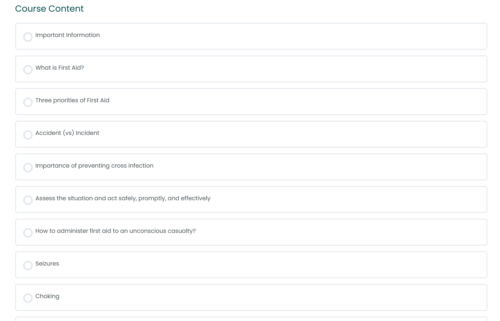
- Explain the definition of First Aid
- Identify the 3 priorities of First Aid
- Describe the importance of preventing cross infection
- Explain and demonstrate how to assess the situation and circumstances in order to act safely, promptly, and effectively in an emergency
- Explain and demonstrate how to administer first aid to a casualty who is unconscious but breathing
- Explain and demonstrate how to administer first aid to a casualty who is unconscious and not breathing
- Explain and demonstrate how to perform cardiopulmonary resuscitation (CPR)
- Explain the use of an automated external defibrillator (AED)
- Explain what seizures are and demonstrate how to provide first aid to an individual who is suffering from them
- Explain and demonstrate how to help an individual who is choking
- Explain and demonstrate how to provide first aid for wounds, bleeding, burns, scalds, shock, and issues with blood circulation
- Describe the need for record keeping
-
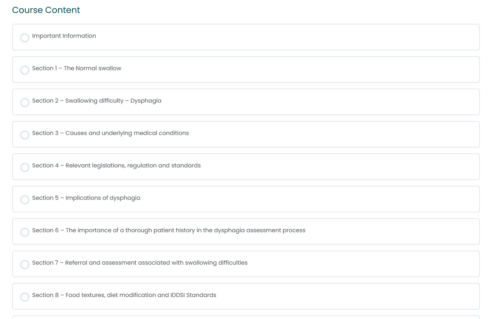
 ⭐ TOP SELLER Aim: To gain a complete understanding of planning, monitoring, and management of nutritional consistencies. Objectives: By successfully completing this course you will be able to:
- Understand what is IDDSI, its impact, causes and consequences.
- Understand what is dysphagia
- Explain the risk factors of aspiration and choking and list some strategies to prevent them
- List the relevant legislations in the UK
- Understand the importance of safe management of food production for people affected with dysphagia
- Explain the process of assessment and screening of dysphagia
- Describe the signs and symptoms to identify dysphagia
- Explain importance of early detection of dysphagia
- Understand the importance of patient history in the dysphagia assessment process
- Understand what is diet modification
- Explain the food textures according to IDDSI standard
- Explain how to modify diets according to IDDSI standards
- Explain how to adapt food and drink textures
- Explain how to prepare and test food according to IDDSI standards – Theory only
- Demonstrate how to prepare drinks according to IDDSI standards – Theory and Practical
- Explain the importance of promoting independence and dignity of all the service users
- Understand the importance of proper positioning during meals
- List the equipment and assistive devices which can be used to support individuals with dysphagia
- Describe an overview of any specialised equipment used in this context
- Explain how to use and maintain dysphagia-specific equipment effectively
- Explain the need to gain education and training on safe swallowing strategies
- Understand what does a good eating and drinking care plan look like
- Demonstrate how you will complete the eating and drinking care plan effectively
- Understand the safe feeding techniques
- Understand how environmental factors impact safe swallowing
- Understand why is communication and collaboration important
- Explain how to communicate effectively with individuals and team members
- Understand the need to collaborate with other healthcare professionals
- Describe the importance of documentation and accurate record-keeping
- Explain the process of documentation of assessment results and recommended interventions
- Describe why you should regularly monitor and review the swallowing function and dietary tolerance of the individual
- Understand how to recognise and respond to choking incidents and implement emergency protocols